![If any man serve me, let him follow me [John 12:26]](https://onevisit.org/wp-content/uploads/2025/04/cropped-onevisit_final.jpg)
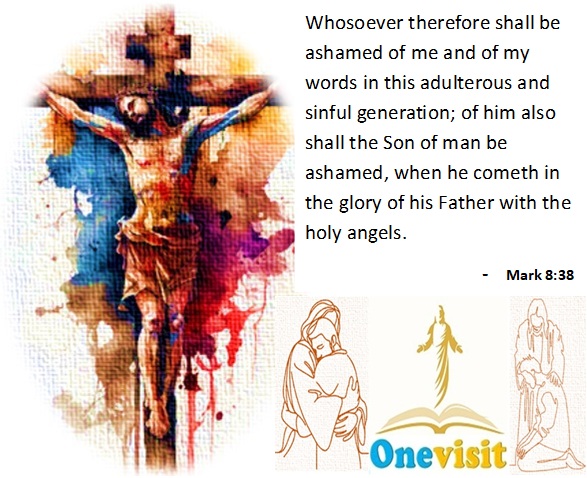
The death of Yeshua the Messiah must be understood within the larger context of God’s purpose in creation. God’s aim was never merely to save people from hell and transport them to heaven. His intention, revealed from the beginning of creation, was to gain a humanity through whom He could express His authority on earth. Creation reveals God’s heart, His design, and His eternal plan. Redemption therefore does not surpass creation in value; rather, it serves to recover what creation was meant to accomplish. It restores to humanity what was originally intended and brings God’s purpose to fulfillment.
God’s intention was for mankind to exercise His authority on earth as His representative. He desires to accomplish His work, yet chooses to do it through human beings rather than apart from them. When humanity functions in this role, God’s purpose in creation is satisfied. Thus, through redemption, God recovers a people capable of fulfilling this calling.
The death of Yeshua contains two distinct aspects, symbolized in Scripture by blood and water. Blood represents redemption—dealing with sin, cleansing guilt, and restoring fellowship with God (Hebrews 9:22). Water represents life—the impartation of divine life to believers (John 19:34). While John 19 highlights the redemptive outflow of blood and water from His side, John 20 emphasizes the resurrection imparting of life, as Yeshua breathes the Spirit into His disciples. Redemption washes, but life empowers.
The commission of the church flows from these two aspects. First, the church proclaims the salvation accomplished by Yeshua, bringing blessing to humanity. Second, it testifies to the victory of Messiah over Satan, bringing loss to the kingdom of darkness. In creation, God purposed to gain a people capable of ruling with Him; in redemption, Yeshua restores and empowers that people so that God’s intention may be fulfilled.
The Bible further distinguishes two motivations behind Messiah’s death: sin and love. When Scripture says Messiah died “for our sins” (1 Corinthians 15; Romans 5), it addresses redemption—removing guilt and reconciling sinners to God. Hebrews 9–10 explains Yeshua’s priestly role in offering His own blood as the perfect and final sacrifice.
But another aspect of His death concerns love, not sin. Ephesians 5:25 says Messiah loved the church and gave Himself for her. This resembles Adam’s deep sleep in Genesis 2, not for Eve’s redemption but for her creation. Eve received life from Adam’s side; the church receives life from the pierced side of Messiah. Thus, the church is not merely a group of forgiven sinners but a people formed from the resurrected life of Yeshua.
John 19:31–37 highlights the fulfillment of prophecy: Yeshua’s bones were not broken, and His side was pierced, releasing both blood and water. Blood testifies to redemption; water testifies to life. Together they reveal the full significance of Messiah’s death—He removes sin and imparts life, restoring God’s creation purpose and forming a church that reflects His authority and love on earth.
 If any man serve me, let him follow me [John 12:26]