![If any man serve me, let him follow me [John 12:26]](https://onevisit.org/wp-content/uploads/2025/04/cropped-onevisit_final.jpg)
“These are the appointed feasts of the LORD, holy convocations which you shall proclaim at their appointed times.” — Leviticus 23:4
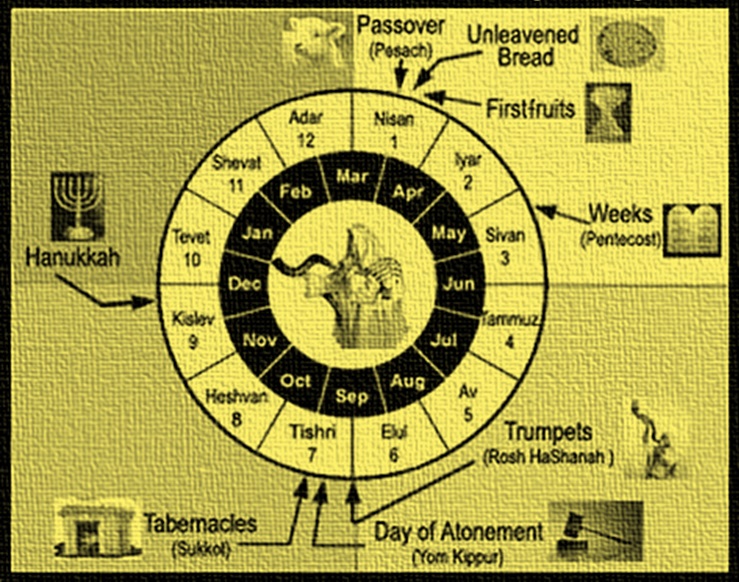
Leviticus 23 stands as a singular chapter within the entire Tanakh that encapsulates God’s eternal plan—from chaos to eternity—beautifully revealed through the nature and timing of the Seven Annual Feasts of the LORD.
Each feast commemorates a significant event in Israel’s history while simultaneously serving as a prophetic picture of future events—four of which have already been fulfilled. It is crucial to recognize that these feasts, given by God in a precise chronological order, symbolize a divine sequence of events that will unfold in that same exact order.
The four spring feasts—(1) Passover (Pesach), (2) Unleavened Bread, (3) First Fruits, and (4) Shavuot (Pentecost)—vividly portray the truth and fulfillment of our salvation through the Messiah. The heart of the LORD is profoundly revealed in the fulfillment of these biblical feasts described in Leviticus 23. The Almighty declares, “These are My appointed times… a perpetual statute” (Leviticus 23:2, 31).
These are divine appointments—holy meetings through which the LORD calls His people to come before Him. When He calls, we can be assured that He will be present, bringing blessings to those who respond in obedience. The feasts were not given merely to bless Israel and set them apart as a holy people; they were opportunities for all who believe to meet with the living God on His appointed days.
At the center of every feast stood the sacrificial altar, covered with the blood of an unblemished animal—a substitute whose sacrifice brought atonement, peace, and reconciliation with the Holy Creator. These feasts served as prophetic previews of the ultimate sacrifice—teaching that without the shedding of blood, our sins would forever separate us from our holy God.
The LORD provided the blood for atonement, and the feasts point directly to this truth. They are fulfilled “through the offering of the body of Yeshua the Messiah once for all” (Hebrews 10:10). Each feast is therefore rich with meaning and continues to draw both Jews and Gentiles who seek to know and behold Yeshua, the Lamb of God.
The three fall feasts—(1) The Feast of Trumpets (Yom Teruah), (2) The Day of Atonement (Yom Kippur), and (3) The Feast of Tabernacles (Sukkot)—are yet to be fulfilled. These festivals complete what began with Passover, foreshadowing the final stages of the LORD’s redemptive plan and revealing Yeshua as the Lamb who brings ultimate restoration.
Throughout His ministry, Yeshua continually pointed back to “the beginning” (Genesis), to the Law of Moses (the Torah), and to the Prophets (Jeremiah through Malachi), unveiling God’s plan for humanity and providing insight into recognizing the promised Savior.
For the Jews of his time, understanding the Old Testament was key to discovering that Yeshua is their promised Messiah. And if you have heard the Good News from the New Testament and received Yeshua as your Savior, Old Testament prophecies and symbolism provide further proof and assurance that Yeshua is the Messiah, the son of the living God.
 If any man serve me, let him follow me [John 12:26]