![If any man serve me, let him follow me [John 12:26]](https://onevisit.org/wp-content/uploads/2025/04/cropped-onevisit_final.jpg)
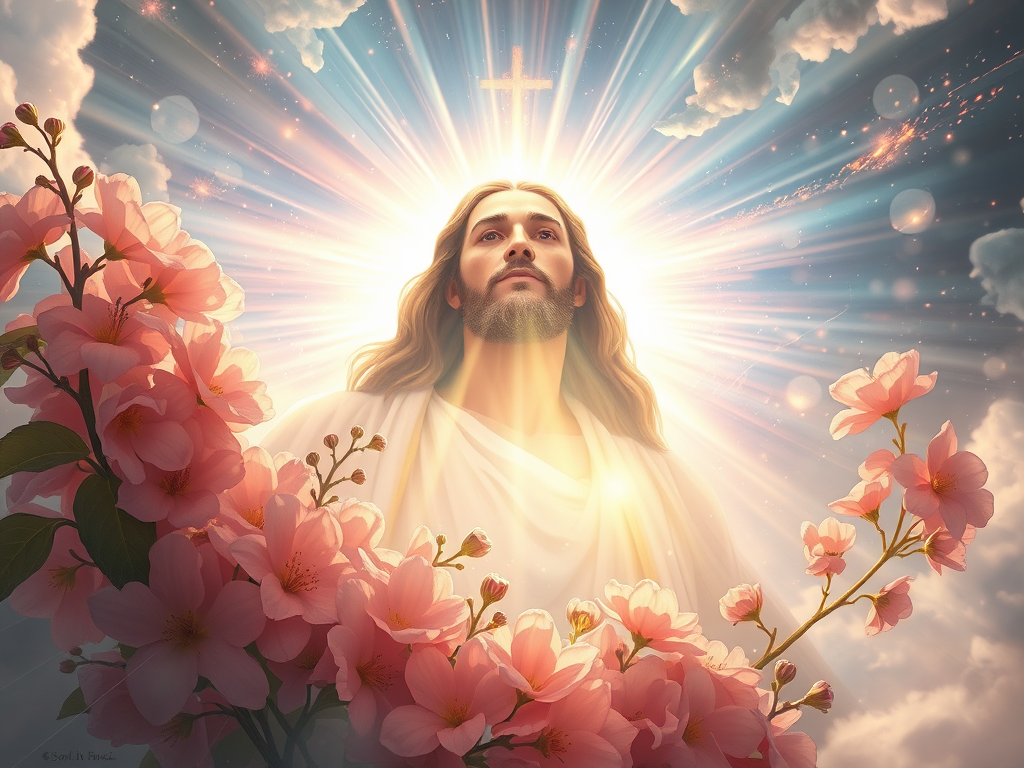
The promise of New Creation and Glory reveals Yeshua’s ultimate vision for humanity: transformation, restoration, and participation in divine glory. This theme stretches from His teachings during His earthly ministry to the prophetic revelations of the end times. It embodies both personal renewal and cosmic restoration.
In Matthew, Yeshua connects renewal to discipleship and reward. In Matthew 19:28, He promises: “Verily I say unto you, That ye which have followed Me, in the regeneration when the Son of man shall sit in the throne of His glory, ye also shall sit upon twelve thrones, judging the twelve tribes of Israel.” Here, “renewal” (Greek: palingenesia) refers to a re-created order, where justice and glory reign. Yeshua’s Transfiguration (Matthew 17:1–2) also gives the disciples a foretaste of divine glory—Yeshua’s face shines like the sun, revealing the glory of the coming kingdom.
Mark focuses on the unveiling of Yeshua’s glory through suffering. In Mark 8:38, He speaks of His glorious return: “Whosoever therefore shall be ashamed of Me and of My words in this adulterous and sinful generation; of him also shall the Son of Man be ashamed, when He cometh in the glory of His Father with the holy angels.” Mark 9:1–3 recounts the Transfiguration, symbolizing the breaking in of God’s glory and the foreshadowing of the New Creation.
Luke emphasizes Yeshua’s resurrection as the gateway to glory. On the Emmaus road, Yeshua says: “Ought not Messiah to have suffered these things, and to enter into His glory?” (Luke 24:26) Here, glory follows suffering, and the resurrection inaugurates the new creation life. Luke also links the new age with the outpouring of the Spirit (Luke 24:49), enabling believers to live in the power of the coming age.
John’s Gospel presents the new creation through Messiah’s incarnation and resurrection. “And the Word was made flesh, and dwelt among us, (and we beheld His glory, the glory as of the only begotten of the Father,) full of grace and truth.” (John 1:14)
Yeshua’s miracles are “signs” pointing to His divine nature and the renewal of all things (e.g., turning water to wine in John 2:1–11—a symbol of newness). After His resurrection, Yeshua breathes on the disciples (John 20:22), echoing Genesis 2 and signifying the birth of new creation.
Acts portrays the Church as the firstfruits of the new creation, empowered by the Spirit. Peter speaks of a future restoration of all things: “…And he shall send Yeshua the Messiah, which before was preached unto you: Whom the heaven must receive until the times of restitution of all things, which God hath spoken by the mouth of all His holy prophets since the world began.” (Acts 3:20–21) The resurrection and ascension of Yeshua are previews of the future glory for all who believe.
Revelation concludes the biblical story with a vision of cosmic new creation: “And I saw a new heaven and a new earth: for the first heaven and the first earth were passed away; and there was no more sea.” (Revelation 21:1) Yeshua declares, “Behold, I make all things new. And He said unto me, Write: for these words are true and faithful.” (Rev 21:5) Believers will dwell in the glory of God’s presence, free from death, pain, and sin. In Revelation 22:5, the redeemed reign with Messiah forever, shining with His light and glory.
In the New Testament, Yeshua promises a complete renewal of creation and humanity. This includes the inner transformation of believers, the restoration of justice, and the eternal glory of God’s kingdom. Yeshua Himself is the firstborn of the new creation, and His resurrection is the guarantee that those who believe will also share in this glory. The new creation is not merely a future hope—it begins now, through the Spirit, and will be consummated when Messiah returns to make all things new.
Yeshua promises eternal joy, justice, and life in God’s restored creation for all who endure in faith.
 If any man serve me, let him follow me [John 12:26]