![If any man serve me, let him follow me [John 12:26]](https://onevisit.org/wp-content/uploads/2025/04/cropped-onevisit_final.jpg)
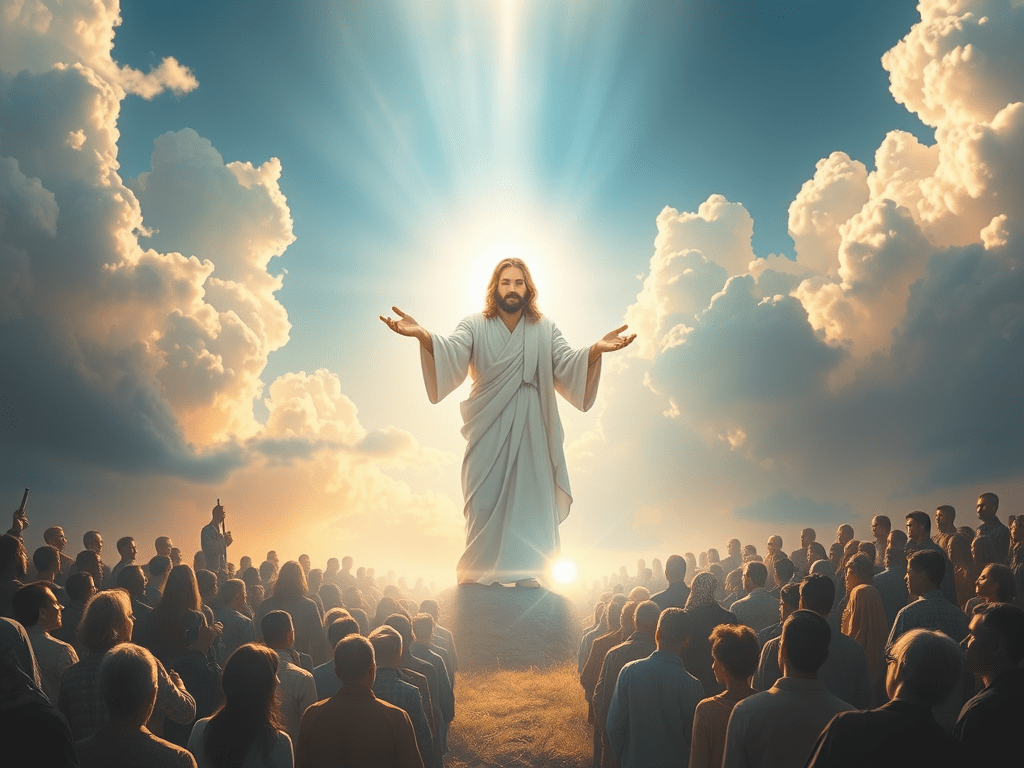
The Kingdom of God is central to Yeshua’s message and mission. It represents God’s sovereign rule breaking into human history through Yeshua, offering salvation, transformation, justice, and eternal life. Across the New Testament books, Yeshua not only announces the Kingdom but promises its full manifestation—both in the present and in the future.
In Matthew, Yeshua frequently speaks of the “Kingdom of Heaven”, especially in parables. He begins His ministry with the declaration: “Repent: for the kingdom of heaven is at hand” (Matthew 4:17). He teaches that the Kingdom belongs to the humble and poor in spirit (Matthew 5:3) and that it grows mysteriously like a mustard seed (13:31–32) or yeast (13:33). Yeshua promises entrance into the Kingdom to those who do the will of the Father (7:21), not merely those with outward religion. In Matthew 25, He assures the righteous: “Then shall the King say unto them on his right hand, Come, ye blessed of My Father, inherit the kingdom prepared for you from the foundation of the world” (25:34).
In Mark, the Kingdom is presented as both urgent and powerful. Yeshua’s first recorded words are: “The time is fulfilled, and the kingdom of God is at hand: repent ye, and believe the gospel.” (Mark 1:15). He connects the Kingdom with power and authority, as seen in miracles and deliverance (Mark 1–2). He promises that some will see the Kingdom in power before they die (Mark 9:1), a reference often linked to the Transfiguration or Pentecost.
In Luke, the Kingdom is inclusive and present among the people. Yeshua says: “Neither shall they say, Lo here! or, lo there! for, behold, the kingdom of God is within you.” (Luke 17:21), emphasizing its spiritual, internal reality. The Beatitudes promise the Kingdom to the poor (Luke 6:20). Luke also records Yeshua’s teaching that the Kingdom must be received like a child (Luke 18:17) and that the meek and outcast have a place in it (Luke 14:15–24).
In John, the focus is more spiritual and eternal. Yeshua tells Nicodemus: “Verily, verily, I say unto thee, Except a man be born again, he cannot see the kingdom of God” (John 3:3). The Kingdom is accessed through spiritual rebirth, not lineage or works. Yeshua’s miracles reveal the reality of God’s reign, and His trial before Pilate confirms that His Kingdom is not of this world (John 18:36), yet it bears eternal authority.
In Acts, the apostles continue Yeshua’s Kingdom mission. Yeshua speaks of the Kingdom even after the resurrection (Acts 1:3), and the Spirit’s coming (Acts 2) empowers the expansion of the Kingdom to the nations. Paul preaches “the kingdom of God” boldly (Acts 28:31), showing the continuity of this theme.
In Revelation, the Kingdom reaches its climactic fulfillment. Yeshua is revealed as King of kings (Revelation 19:16), and the Kingdom of this world becomes the Kingdom of our Lord and of His Messiah (Revelation 11:15). The New Jerusalem is the ultimate Kingdom reality—where God dwells with His people, and His reign is everlasting.
Yeshua’s promises about the Kingdom of God unfold in three dimensions—present, growing, and future. The Kingdom is here now, advancing through the Spirit and the Church, growing like a seed in the hearts of believers, and will one day be fully realized in Messiah’s return. To follow Yeshua is to seek first His Kingdom and live under His reign—both now and forever (Matthew 6:33).
 If any man serve me, let him follow me [John 12:26]