![If any man serve me, let him follow me [John 12:26]](https://onevisit.org/wp-content/uploads/2025/04/cropped-onevisit_final.jpg)
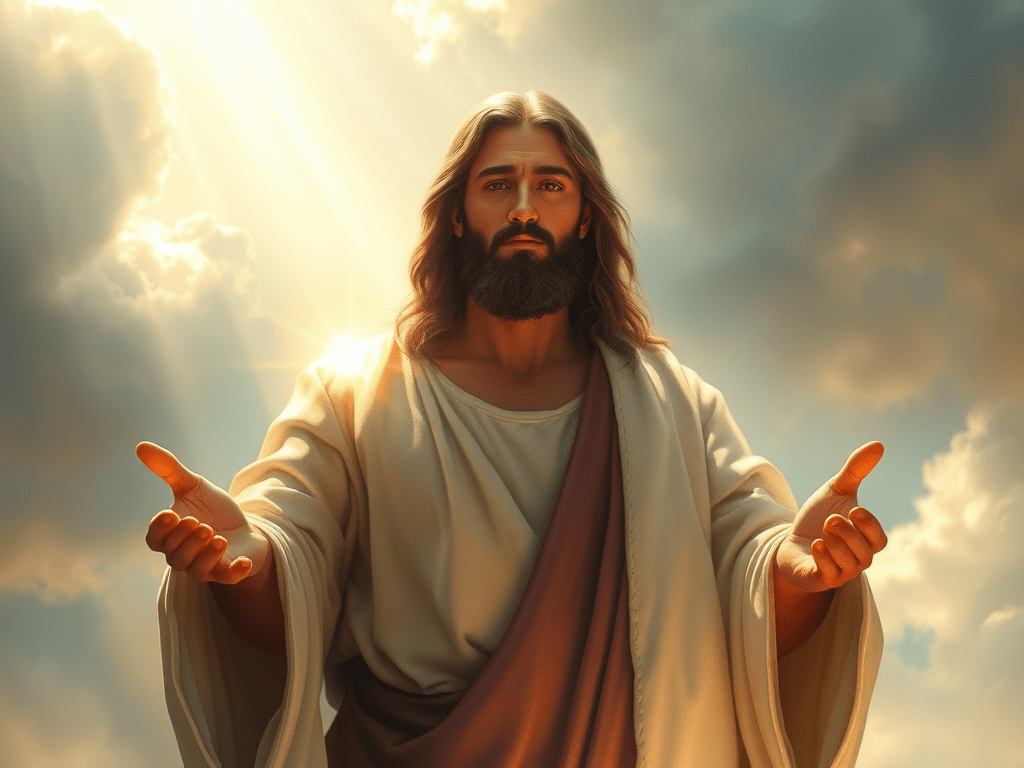
The promise of forgiveness of sins and inner cleansing stands at the heart of Yeshua’s mission. From the Gospels to Revelation, Yeshua repeatedly offers mercy and purification to the repentant, unveiling God’s desire to restore humanity into fellowship with Himself. His words and actions consistently declare that forgiveness is not earned by ritual or works, but is received through repentance, faith, and His atoning sacrifice.
In Matthew, Yeshua ties forgiveness to repentance and faith. When a paralyzed man is brought to Him, Yeshua first says, “Son, be of good cheer; thy sins be forgiven thee” (Matthew 9:2), shocking the religious leaders who questioned His authority to forgive. Yeshua teaches that forgiveness must also be extended to others, as shown in the Model Prayer taught by Yeshua: “And forgive us our debts, as we forgive our debtors” (Matthew 6:12). In Matthew 26:28, during the Last Supper, Yeshua reveals the ultimate source of forgiveness: “For this is my blood of the new testament, which is shed for many for the remission of sins”
In Mark, Yeshua reinforces His authority to forgive sins. In Mark 2:5, He declares to the paralytic, “Son, thy sins be forgiven thee,” emphasizing the spiritual over the physical. His power to cleanse is also seen in healing lepers (Mark 1:40–45), symbolizing the cleansing of the soul. At the cross, His mercy is on full display when He endures suffering to bring about that forgiveness (Mark 15:24).
In Luke, the theme of forgiveness is especially prominent. Yeshua came “to seek and to save that which was lost” (Luke 19:10), offering forgiveness to even the most despised. He forgives the sinful woman who anoints His feet, saying, “Thy sins are forgiven. And they that sat at meat with him began to say within themselves, Who is this that forgiveth sins also? And he said to the woman, Thy faith hath saved thee; go in peace” (Luke 7:48–50). On the cross, Yeshua prays for His executioners: “Father, forgive them; for they know not what they do” (Luke 23:34), revealing the boundless depth of divine mercy.
In John, Yeshua emphasizes both forgiveness and cleansing. He declares that belief in Him results in eternal life and spiritual renewal: “If I wash thee not, thou hast no part with Me” (John 13:8). He tells His disciples after the resurrection, “Whose soever sins ye remit, they are remitted unto them; and whose soever sins ye retain, they are retained” (John 20:23), entrusting them with His mission of reconciliation.
In Acts, the apostles preach Yeshua as the source of forgiveness. Peter proclaims, “Repent, and be baptized every one of you in the name of Yeshua the Messiah for the remission of sins, and ye shall receive the gift of the Holy Ghost” (Acts 2:38). Paul teaches, “through this man is preached unto you the forgiveness of sins: And by him all that believe are justified from all things, from which ye could not be justified by the law of Moses” (Acts 13:38–39). Forgiveness is consistently offered to both Jews and Gentiles through Messiah’s name.
In Revelation, Yeshua’s blood is exalted as the cleansing power for sin. The saints are described as those “which came out of great tribulation, and have washed their robes, and made them white in the blood of the Lamb” (Revelation 7:14). In Revelation 1:5, Yeshua is called the One “that loved us, and washed us from our sins in his own blood” The final vision reveals a people fully cleansed, dwelling eternally with God.
Across these books, Yeshua promises complete forgiveness and cleansing to all who turn to Him in faith. This forgiveness brings peace, transformation, and restored relationship with God. His blood—poured out on the cross—is the ultimate means of this cleansing, and the invitation remains open to all: repent, believe, and be made new.
 If any man serve me, let him follow me [John 12:26]